
A morning at Treeline Farms
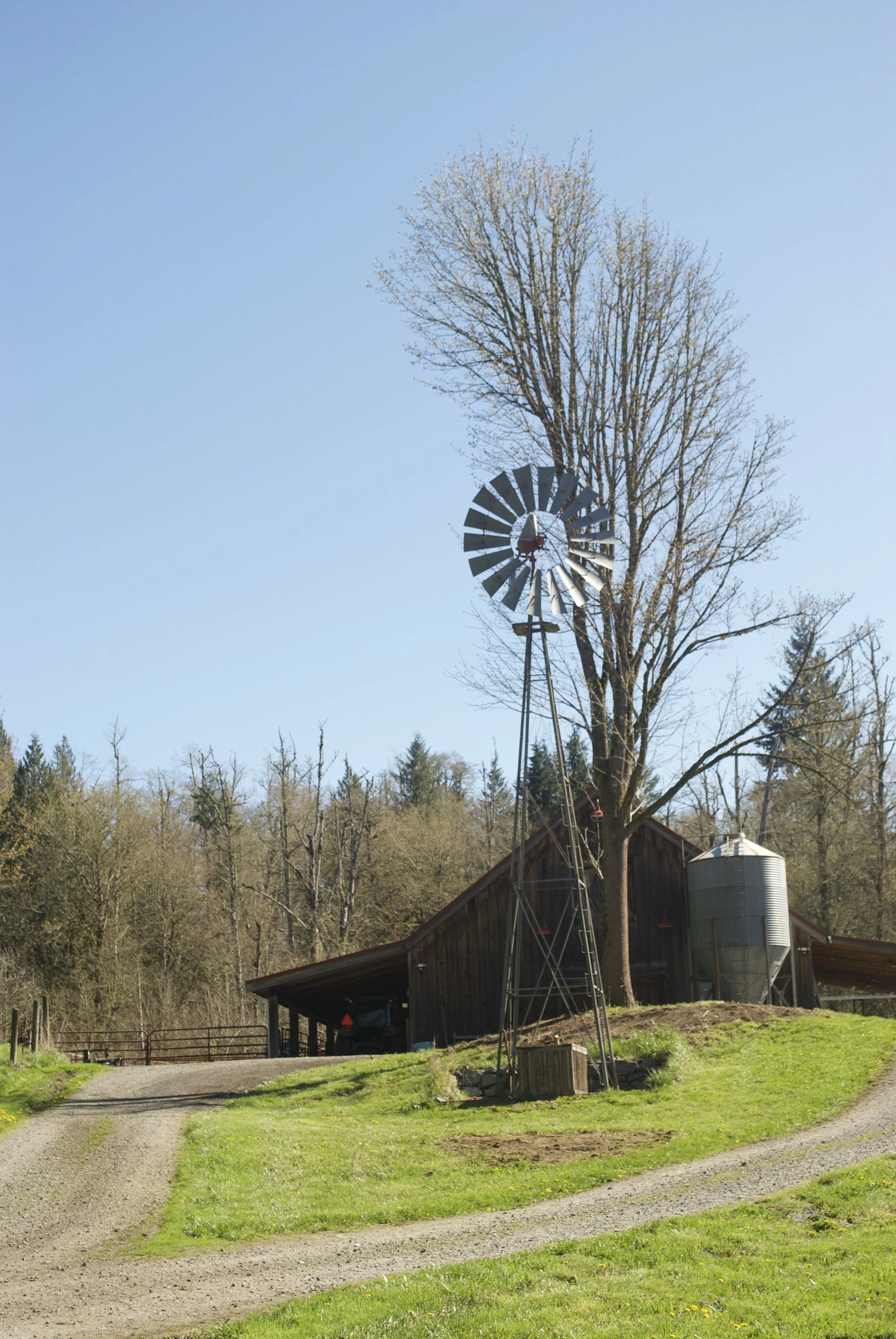
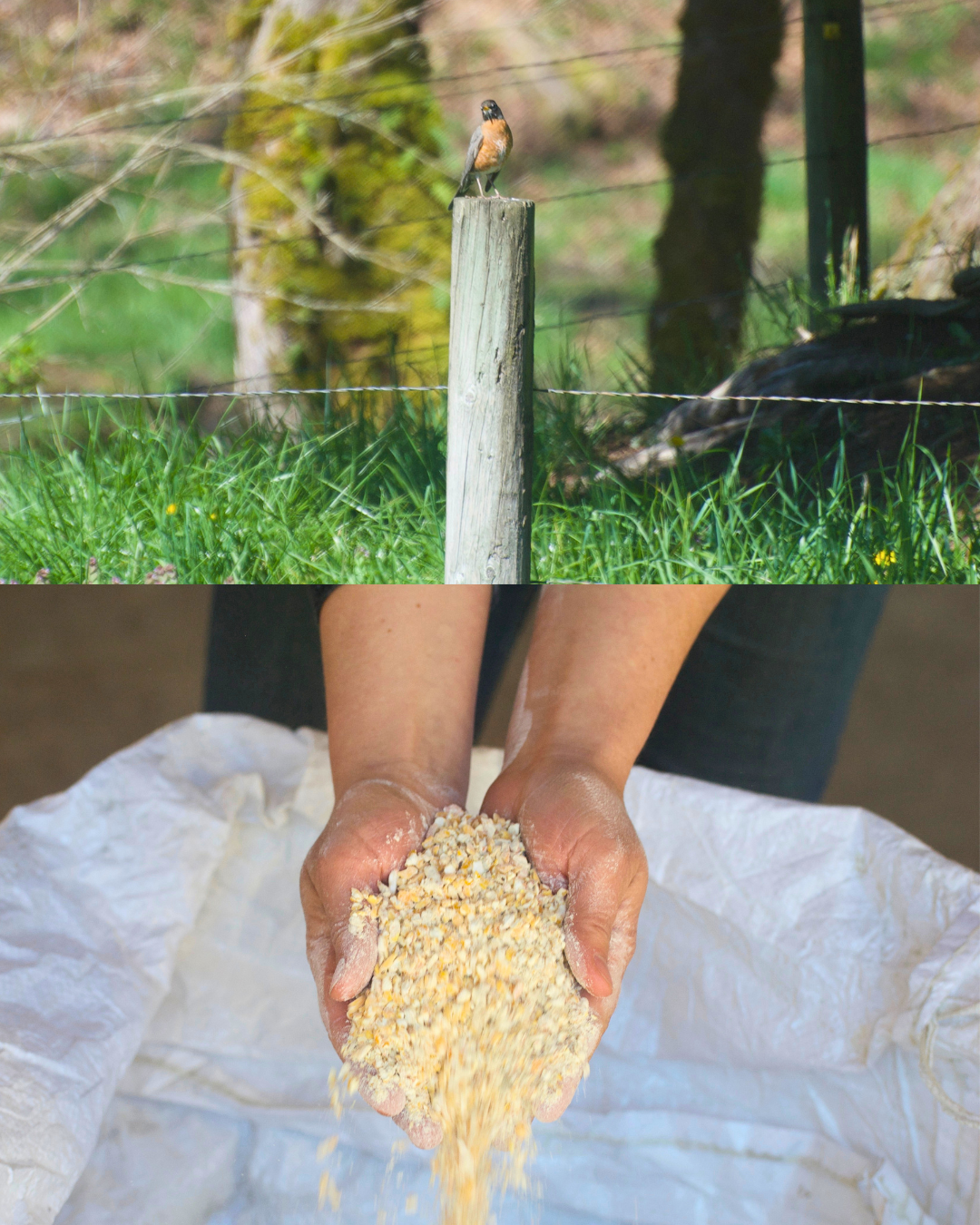
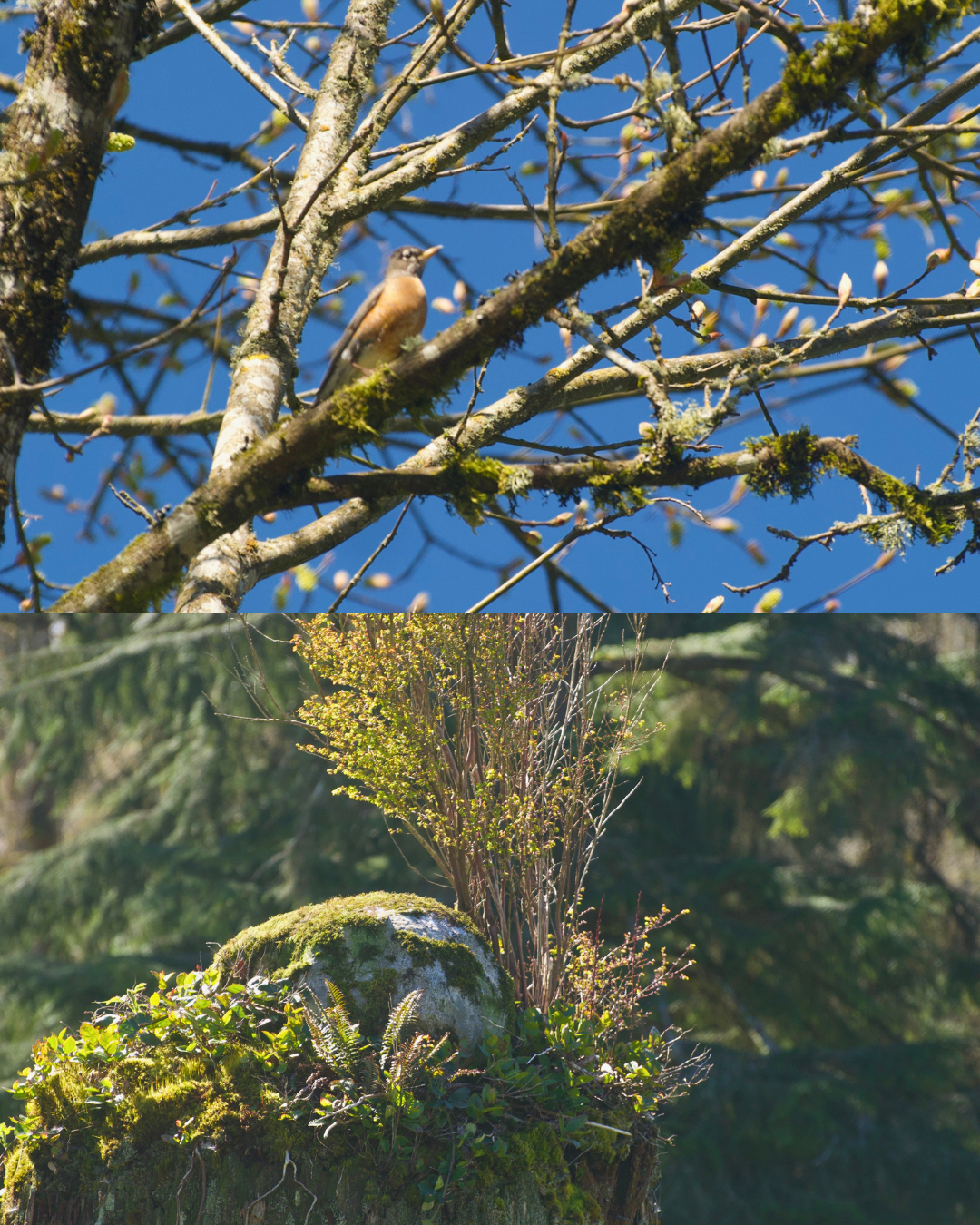
On a bright, sunshine drenched morning back in April, market staff visited Treeline Farms, a family-run cattle operation in the hills north of Duvall. Getting there is an immersive experience - the narrow road winds past farms interspersed with mossy trees, open meadows, and wetlands teeming with blooming skunk cabbage. Three deer paused from their grazing to watch us drive by as chorus frogs led a serenade. A hawk circled overhead and robins flitted around from post to post across endless fence lines.
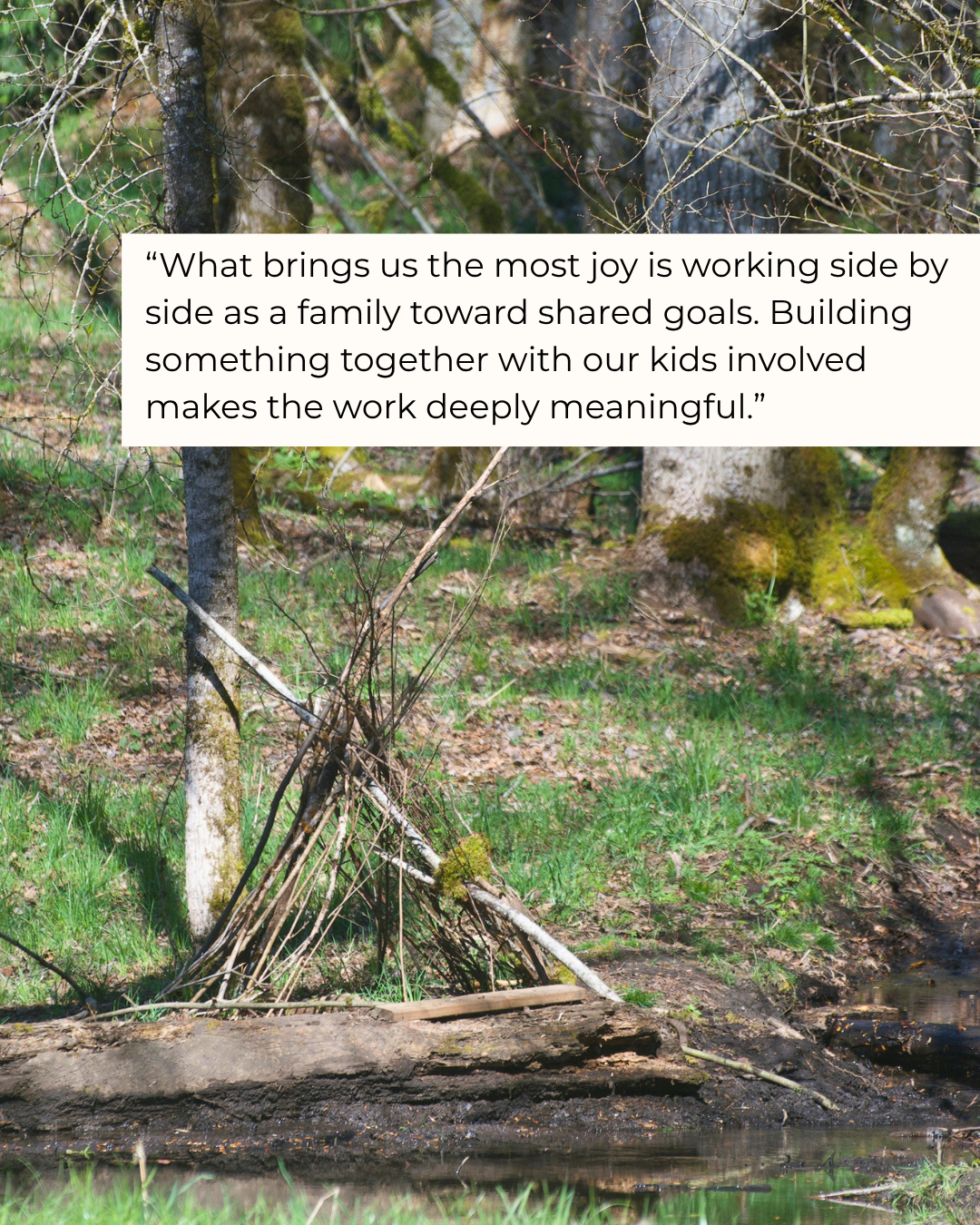
Nic and Maeghan Hudon started this dream six years ago, living first in the shop downslope of the old barn as a family of three, then four, before eventually building their home farther up property. There is evidence of family everywhere you look - dog paw prints up the drive, muddy little boy handprints in the bank of a pond, a stick fort just barely visible off in the woods.
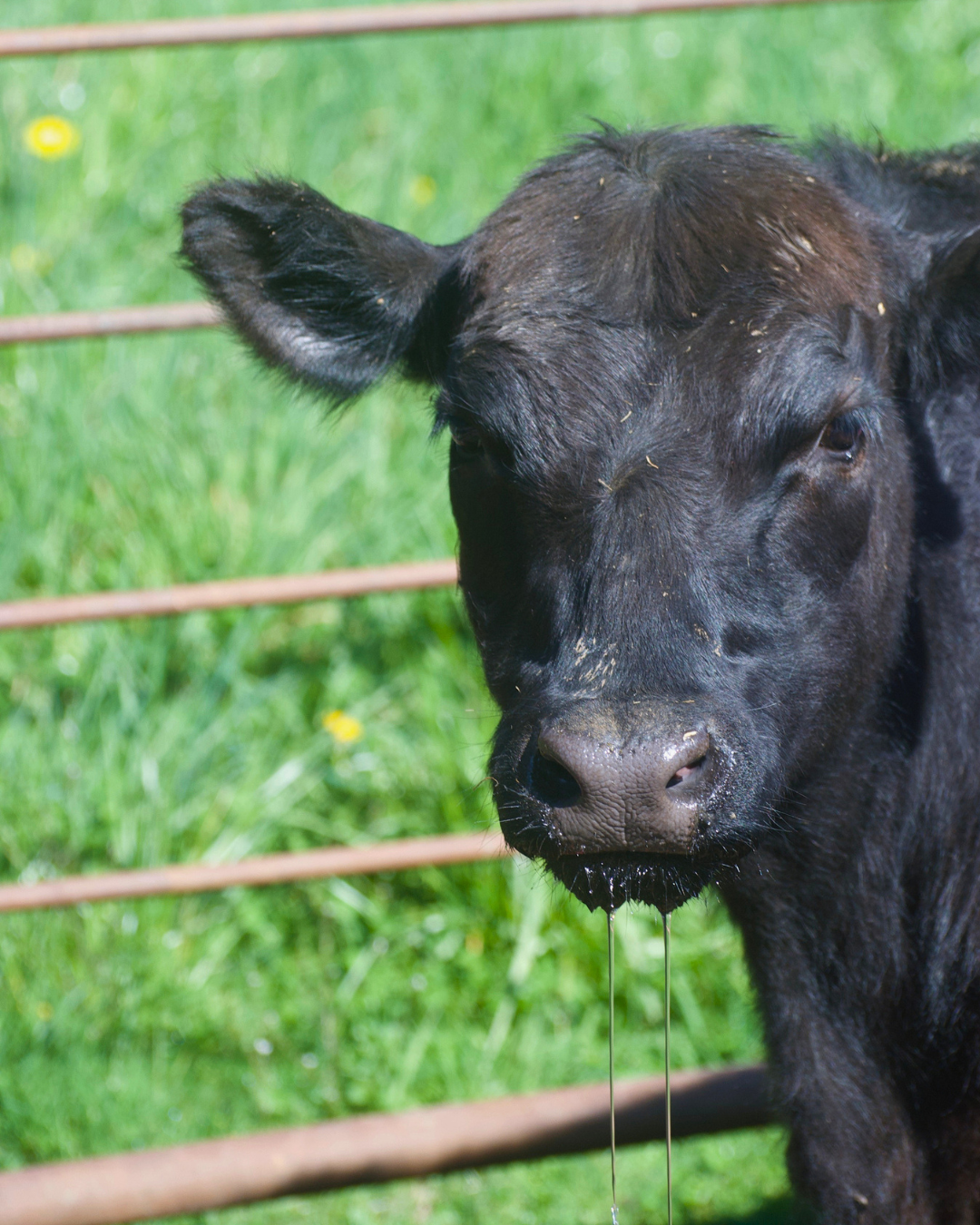
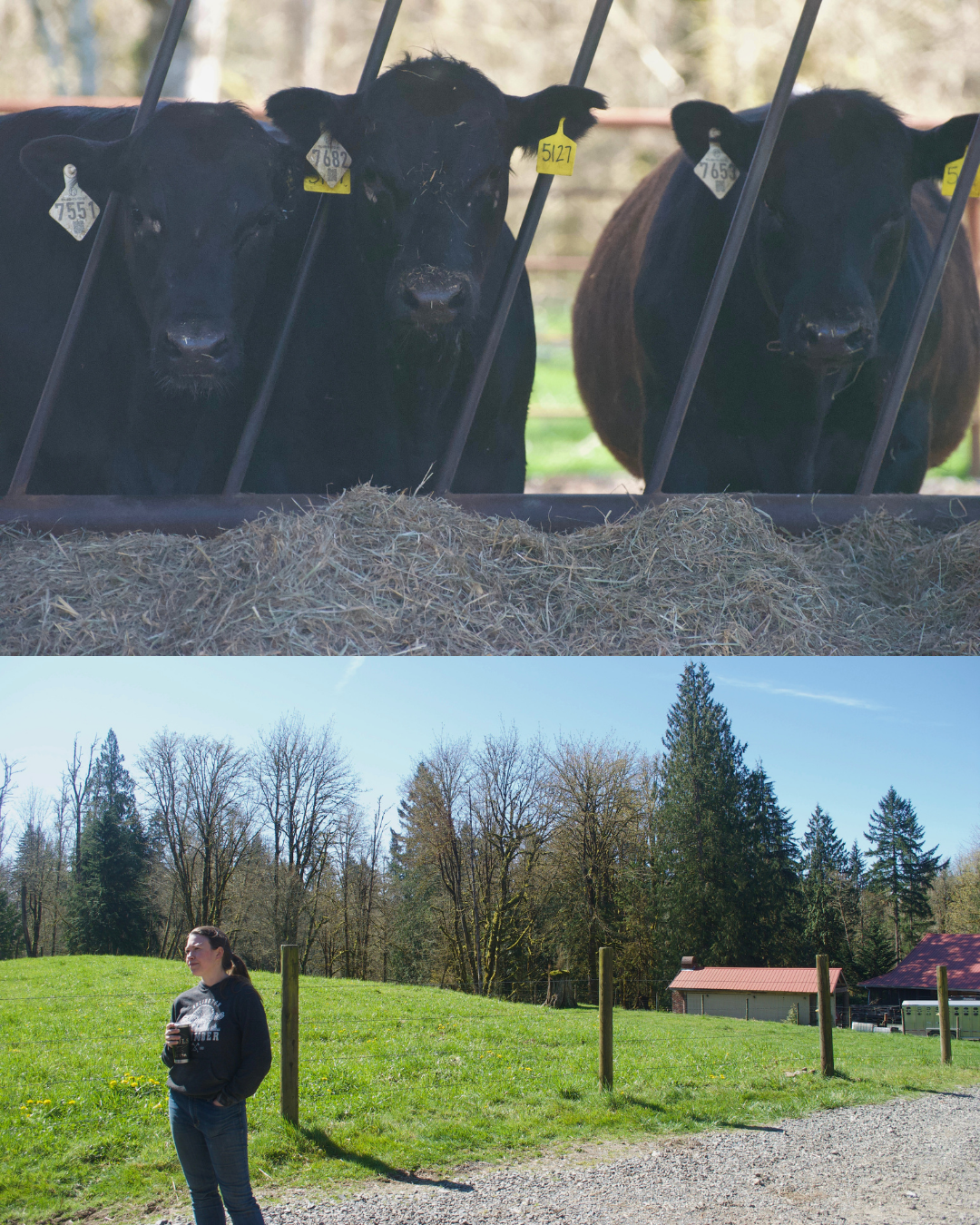
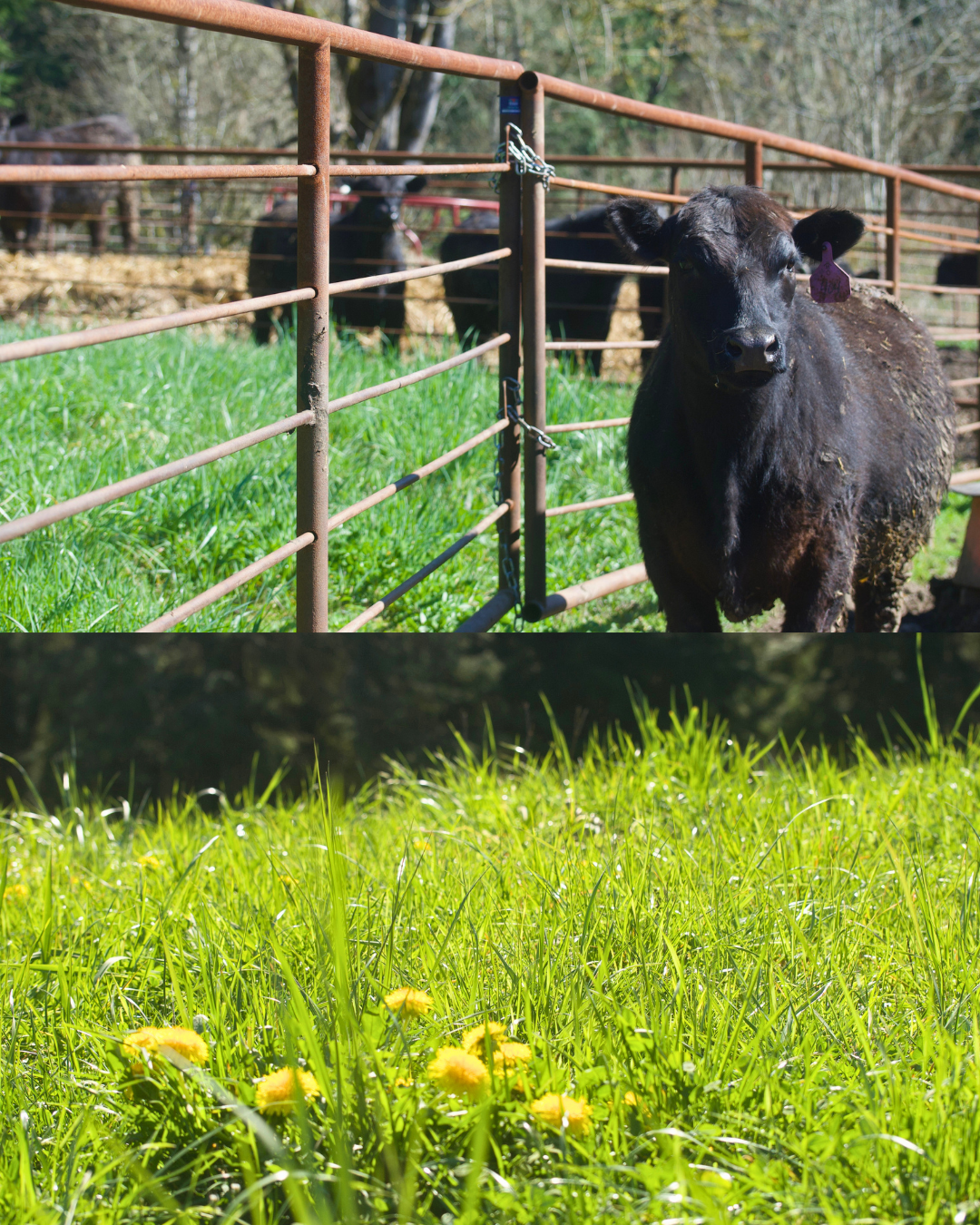
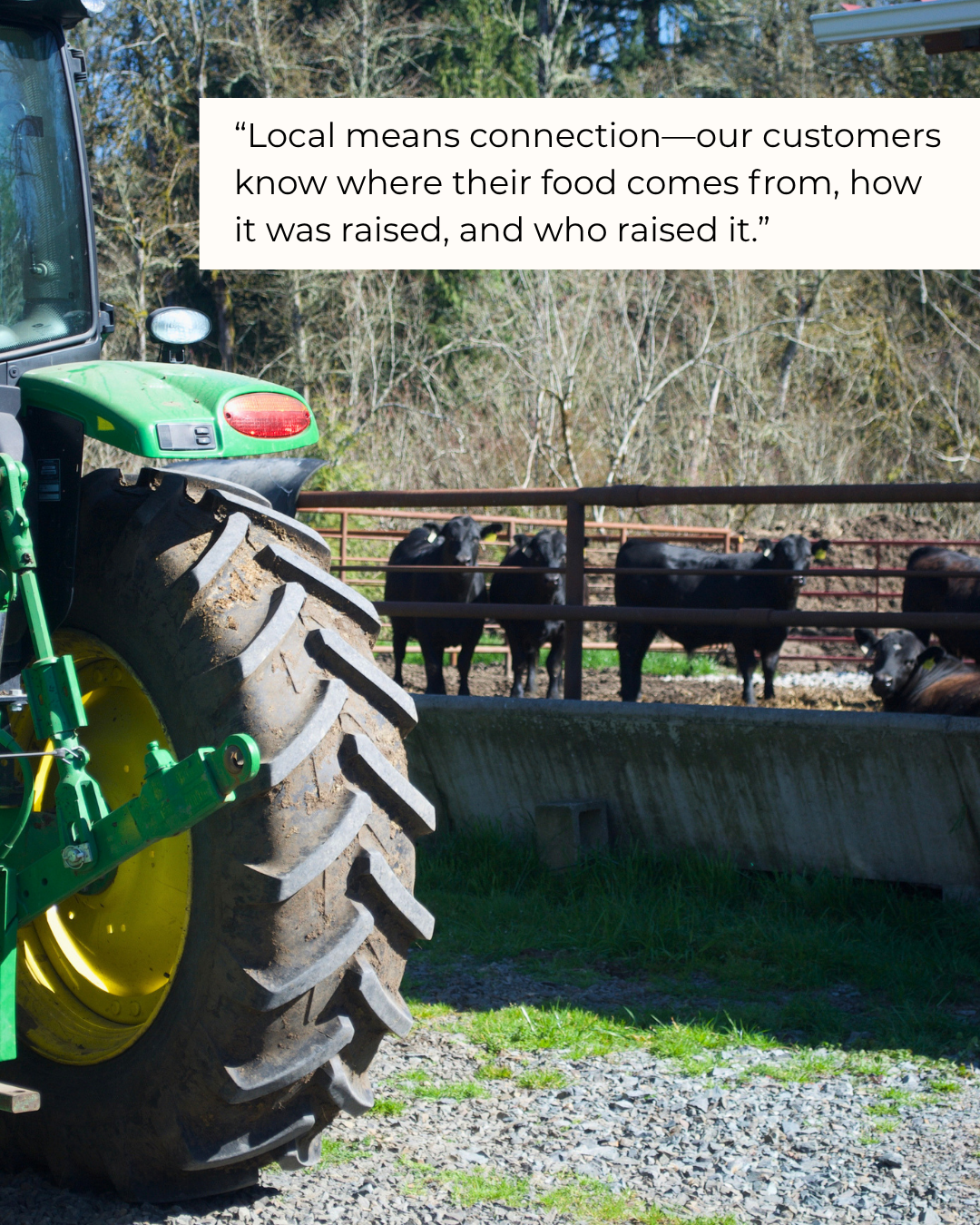
We greeted Maeghan on this dewy, dandelion-blooming morning as she shared just a little bit of their world with us. We saw calm, well-cared for cattle, individually known by their farmer. Lush pasture, with the soil and grass as thoughtfully managed as the animals. What started as two cows is now a full commercial operation, but it’s just as intentional now as it was at the beginning.
What follows is a written interview from Maeghan Hudon summarizing the discussions that happened at the tour.
What are your backgrounds in relation to commercial farming and cattle?
"M: “In 2019, we purchased land in rural Duvall with the goal of raising our family and pursuing a more intentional way of life. By March 2020, we welcomed our first pairs of cattle, established our registered brand—T-F (T Bar F)—and began building the foundation for the agricultural business we operate today.
We are first-generation ranchers, having entered commercial agriculture without a traditional industry background. Maeghan was raised in rural Alabama, where her family kept a small herd of cattle and sold calves annually. Nic was raised around horses and had experience with large animals. Our love for animals and the farm life provided early exposure to livestock and land stewardship.
We started with just two cows on pasture in Duvall. After finishing our first few beef steers, we quickly realized how fulfilling the work was and how strong the opportunity could be—not only to grow a sustainable operation, but to provide high-quality, locally raised beef to our community.”

What is your biggest challenge as a smaller operation?
M: “One of our biggest challenges as a smaller operation is access—to infrastructure, supplies, and support. We spend a significant amount of time on the road because key inputs and services aren’t local, and even our veterinarian is over an hour away.
More broadly, the cattle industry is facing rising input costs, limited processing capacity, and ongoing pressures like drought and land use. Those challenges hit smaller producers especially hard, since we don’t benefit from scale.
For us, it means being highly intentional—not just in how we run the business, but in how we care for our animals and steward the land. We’re focused on raising healthy cattle, improving the productivity of our pastures, and growing our farm-direct beef program while using every resource as efficiently and responsibly as possible.”
What have you learned over the last six years?
M: “Over the past six years, we’ve learned how to work with cattle rather than against them—understanding their natural instincts and movement to keep handling calm and low-stress.
We’ve also learned how to better manage forage and improve pasture quality, focusing on practices that support both the health of the land and the productivity of the herd.
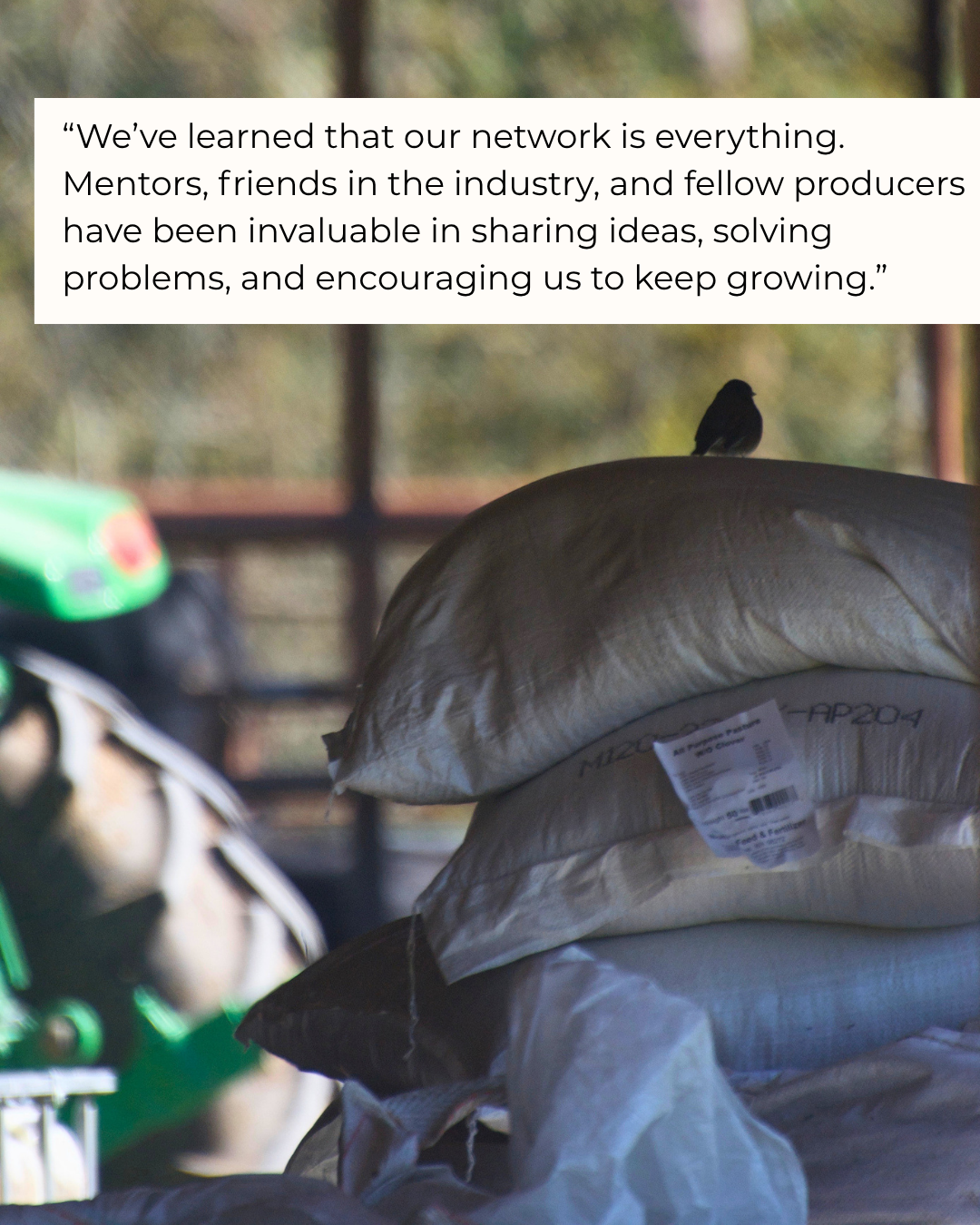
Just as importantly, we’ve learned that our network is everything. Mentors, friends in the industry, and fellow producers have been invaluable in sharing ideas, solving problems, and encouraging us to keep growing.”
What are your goals for growth? I loved what you said about “growing in place” - doubling your cows/heifers/keeping calves for growth, etc.
M: “Our approach to growth is what we call “growing in place.” We’re focused on steadily building our herd—retaining heifers, keeping calves, and doubling numbers over time—while making the most of the land and resources we already have.
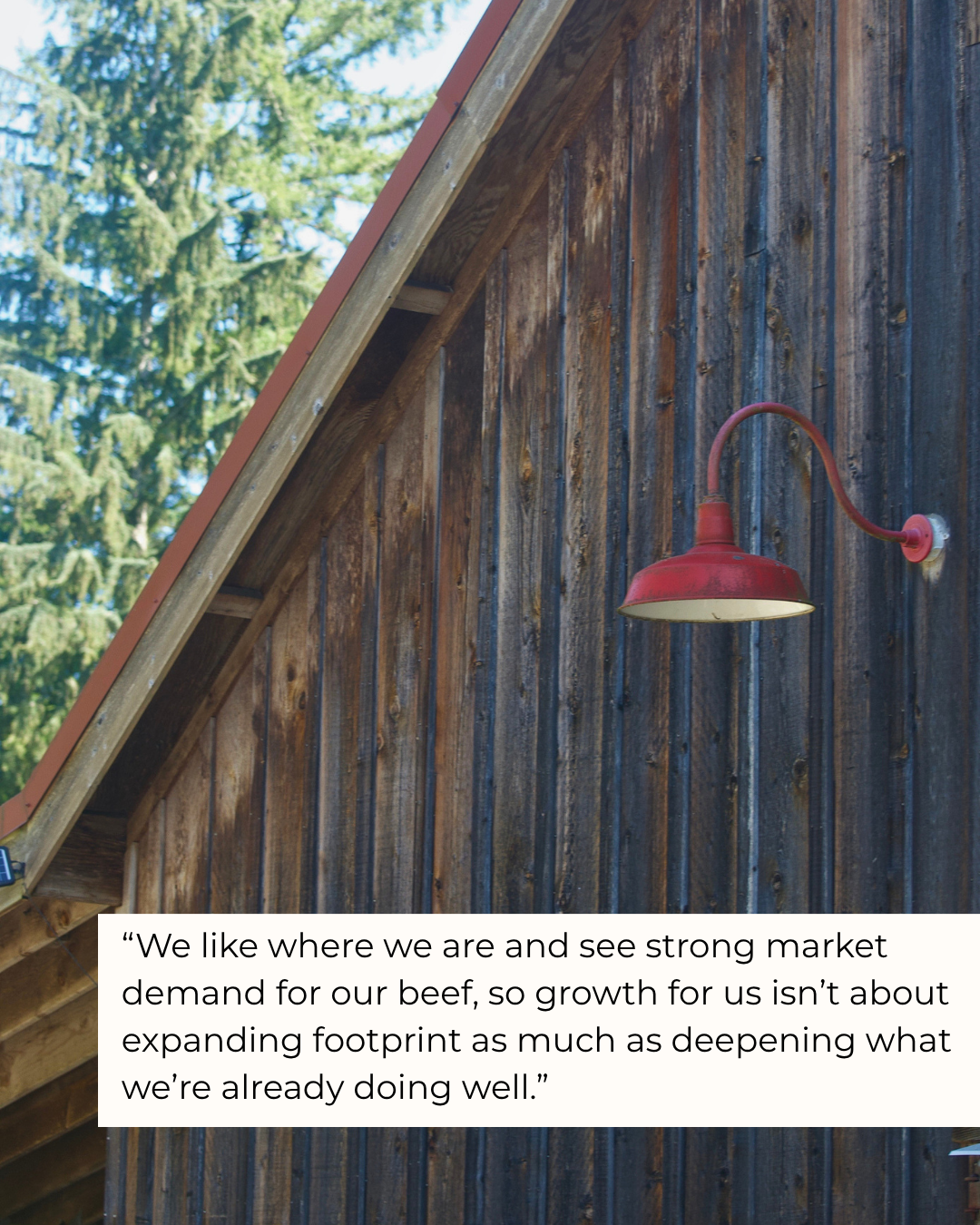
We like where we are and see strong market demand for our beef, so growth for us isn’t about expanding footprint as much as deepening what we’re already doing well. We utilize grazing leases during the summer months to extend our rotational grazing and continue improving both herd health and pasture productivity.
On the business side, we plan to continue farmers markets while expanding our local delivery and on-farm pickup options, making it easier for our community to access our beef directly.”
Why is “local” important to you?
M: “Most importantly, local means connection—our customers know where their food comes from, how it was raised, and who raised it. We’re fortunate to ranch in close proximity to our community, and we’re doubling down on that by offering local pickup and delivery to make our beef as accessible and traceable as possible. “Local” is important to us because it supports a more sustainable and transparent food system. Keeping our operation close to our customers means less travel and cost, allowing us to better manage resources.”
What brings you the most joy on your farm?
M: “What brings us the most joy is working side by side as a family toward shared goals. Building something together with our kids involved makes the work deeply meaningful.
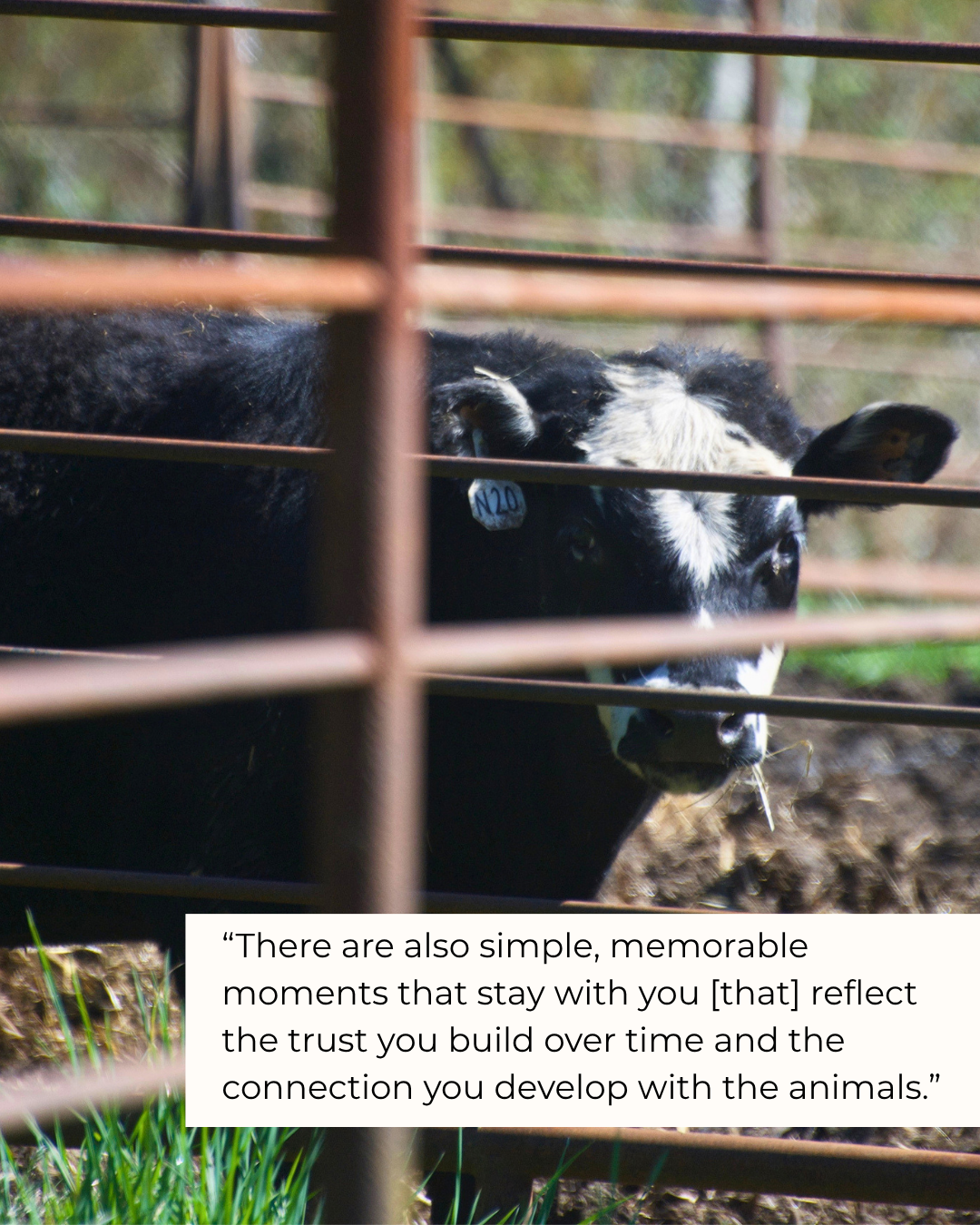
There are also simple, memorable moments that stay with you—like walking out ahead of the herd and having them calmly follow as we move to a new pasture. Those experiences reflect the trust you build over time and the connection you develop with the animals.
At the core of it, caring for the land and the cattle brings together two of the things we love most. It keeps us active, outside, and grounded in work that feels purposeful every day.”
Thank you so much, Maeghan and Nic, both for inviting Northshore Farmers Market staff to your home and business and sharing your wealth of knowledge with us, and for your consistent passion and commitment to our local community. We are so proud and glad you are part of the fabric of what makes our area so special.
You can find Treeline Farms with their locally raised beef and handcrafted tallow skincare products at Kenmore Farmers Market Wednesdays through August, and Woodinville Farmers Market Saturdays through September. Visit their website to learn more about local delivery, beef shares, and other market appearances. Follow them on Instagram or Facebook for wonderful behind-the-scenes looks at their local ranch life, and to keep updated on all their enterprises.
